
Our field of expertise
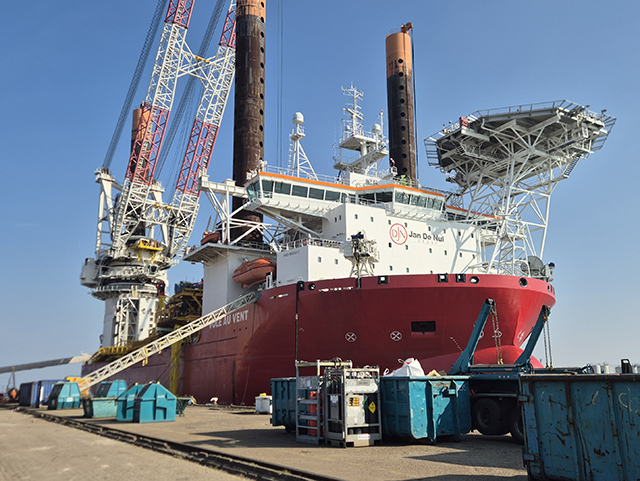
Bold Tern – Engineering for offshore wind mobilization
Preparing the jack-up vessel Bold Tern for an upcoming offshore wind project required several modifications. To accommodate additional offshore personnel, a Temporary Living Quarter (TLQ) was installed, significantly increasing the vessel’s accommodation capacity.
The challenge was to adapt the existing sewage, freshwater, and firefighting systems to meet the increased demand. This required integrating new piping into the vessel’s existing infrastructure while accounting for limited space, practical installation requirements, and the mobilization schedule.
Integrating new piping into existing systems
Adding accommodation capacity involves more than installing extra living quarters. The vessel’s supporting systems must also be adapted to meet the increased demand.
Saltwater engineered new piping routes and modifications to the existing systems, taking into account the available space, existing equipment, and practical installation requirements. Multiple onboard visits helped our engineers understand the existing layout and develop solutions that could be implemented in practice.
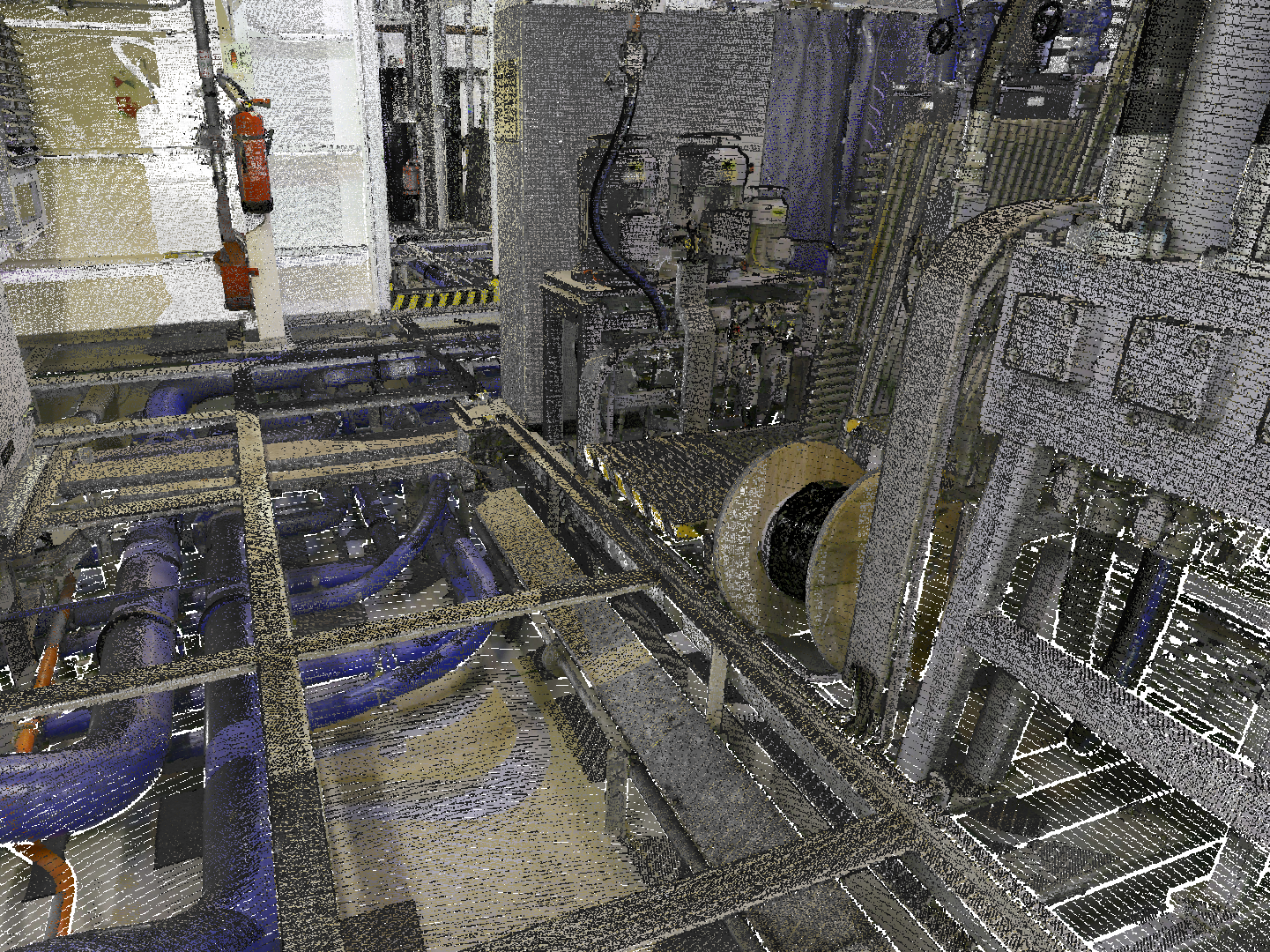
3D scanning – Accurate data, better engineering
Successful modifications start with a clear understanding of what is already on board. Especially in areas with existing piping, equipment, and structural components, accurate measurements are essential.
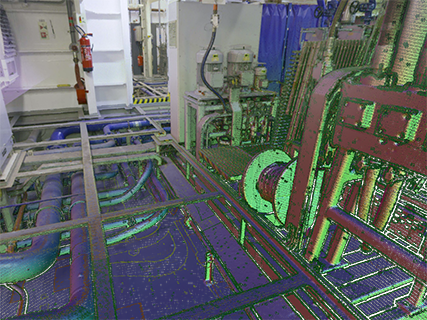
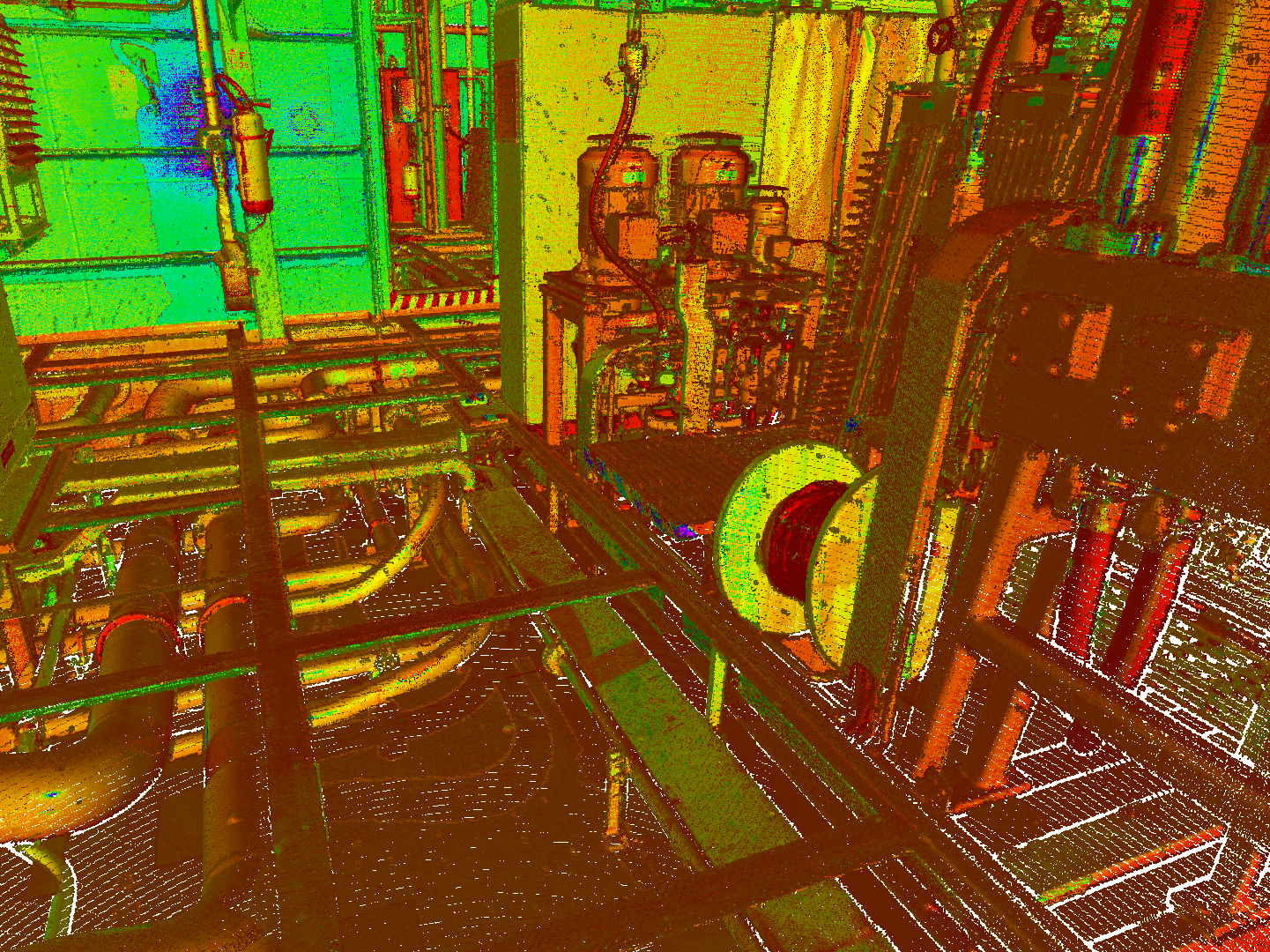
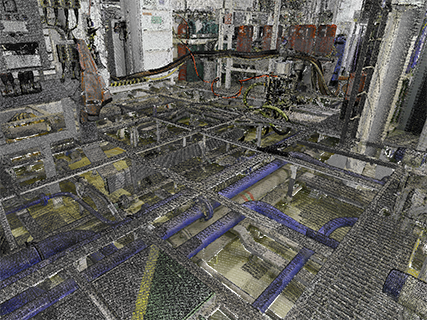
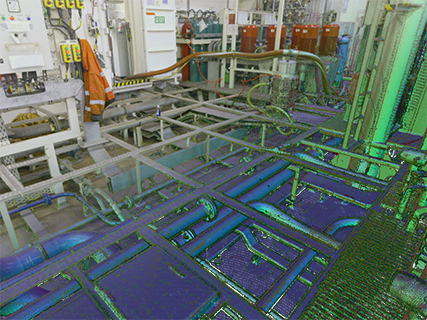
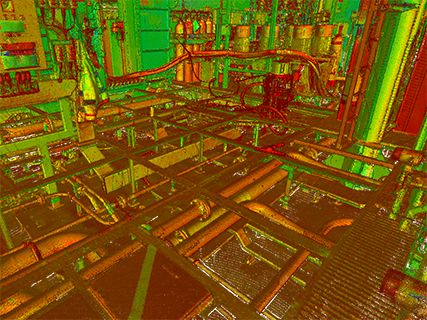
3D laser scanning can provide a detailed digital representation of the vessel’s existing configuration. This allows engineers to plan new piping routes around existing installations, identify potential clashes, and reduce the need for additional measurements or modifications during installation.
By combining accurate onboard data with practical engineering expertise, vessel modifications can be prepared more efficiently, with fewer surprises during mobilization.
Engineering support during mobilization
Engineering does not stop when the drawings are completed. During the Bold Tern mobilization, Saltwater also provided engineering support to address additional technical challenges as they arose.
This included structural engineering for the vessel’s muster station platforms, as well as a new platform in the engine control room to accommodate additional lockers.
By combining engineering expertise with direct involvement on site, Saltwater helped translate technical requirements into practical, executable solutions.